Search Our Recipes & Nutrition Information

Showing posts with label Is It Healthy. Show all posts

Good vs Bad: A Healthy Guide to Fat

For years, both doctors and nutritionists were continually preaching that low-fat diets were the way to not only lose weight, but to save the generations from things like heart disease and high cholesterol. Fat in the 1980’s and 1990’s was the enemy. Fat free sour cream, fat free crackers and cookies, fat free ice cream…everything became fat free.

Now we are learning through the studies and research of men like Dr. David Perlmutter, MD, author of the new book, Brain Maker, that all fats are not created equal. “One of the myths I’m always trying to dispel is that fat is unhealthy. Most people think those high-fat foods are the reason their pants are fitting a little tighter.” He says in his article Exposing the Secret of Healthy Fats. He goes on to share that it’s less about the quantity of fat and more about the type.

Wait…isn’t fat…fat?

Nope! In sharing this with my clients, I immediately get some strange looks and questions… “You want me to eat more fat? Are you sure?” and I answer with a resounding “YES!” This is one of the main reasons that our American Society is overweight and by allot! According to the Center for Disease Control, one-third (34.9% or 78.6 million) of US adults are obese compared to 1970, before the fat free craze began, when only 11.7% of adults were overweight. That’s a big jump and it all started with the overly processed, fat-free fever.

Most foods contain several different kinds of fats, and some are better for your health than others. So how do you weed through years of information and get down to the source of health? Don’t worry…I’ve done it for you! Here’s a look at the different types of fat, their effects and the healthy fat choices you should be making.

Harmful Dietary Fats

Trans Fat: This type of fat rarely occurs in natural foods and if so, in very small amounts. Most trans fats are made from oils through processed foods through a method called “partial hydrogenation”. By partially hydrogenating oils, they become easier to cook with and less likely to spoil in your pantry. Studies show that an increase in trans fat increases unhealthy LDL cholesterol (bad cholesterol) and lowers HDL (good cholesterol). This unhealthy concoction can drastically increase your risk of cardiovascular disease, overall cholesterol levels and your risk for Type 2 Diabetes.

What to Look Out for: Processed Foods sold at room temperature usually contain the most saturated and trans fats due to the lack of spoilage. But be aware, these unhealthy fats are stored all over the grocery store. Try to avoid or limit things like potato chips, French fries (frozen section), snack cakes or pies (sorry Little Debbie), shortening, crackers, cake mixes and frostings, pancake and waffle mixes, chicken nuggets (frozen section), certain flavors of Haagen-Dazs ice cream, non-dairy creamers, microwave popcorn, high fat yielding meats, cookies, jerky or meat sticks, canned chili and packaged pudding. These tend to have the highest levels of trans fats.

Instead Opt for foods that are as unprocessed as possible.
Homemade baked goods using coconut oil instead of canola oil or shortening.
Air popped popcorn with a little grass-fed butter and sea salt.
Baked Veggie Chips or one of my favorite Black Bean Chips, Beanitos.
Homemade Ice Creams or Puddings.
Grass-Fed Butter in moderation instead of margarine.
Goat cheese instead of cheddar.
Part Skim Mozzarella instead of processed nacho cheese.
There are alternatives to almost everything! Check out our Recipe section for more ideas!

Saturated Fat: This type of fat comes mainly from animal sources such as red meat, poultry and full-fat dairy products. Now before you run to the fridge and freezer and start chucking your steaks and butter, let’s take a closer look. Saturated fats, when paired with a high carbohydrate diet, raises total blood cholesterol levels and LDL, which are your low-density lipoprotein levels. This can increase your risk of cardiovascular disease. The Saturated fat & high carb combo may also increase your risk of Type 2 Diabetes by increasing the fat storage in the liver and around the intestine, impairing insulin action. Now, that being said, there is a balance needed to a meat-eating diet. When looking at our healthy plate, here is the breakdown. A Healthy plate should contain one-fourth protein, another half vegetables and the remaining one-fourth grains is an important ratio when trying to control your health risks for diabetes and cardiovascular disease as well as your waste line.

Choose cuts of meat that provide a great amount of protein, flavor and have low levels of saturated fat and eat them in the right proportions. These are lean cut meats like chicken breasts, beef round roasts, sirloin steaks, salmon or halibut, turkey breast and pork tenderloin. Remember before cooking to remove any unnecessary animal fat. We all know fat means flavor, so add a couple teaspoons of a healthy fat like olive oil to meat before sautéing or grilling! Replace the bad with good!

Healthier Dietary Fats

These types of fats are mostly unsaturated and are a critical need for our bodies. As Dr. Perlmutter says, “The body needs a balance of two types of essential fats: anti-inflammatory omega-3’s and pro-inflammatory omega-6’s. This balance needs to be closer to a 1:1 or 2:1 ratio to ward of diseases like diabetes, arthritis, heart disease and cancer. But due to our American diets of a 20:1 ratio….we are simply unbalanced.

Monounsaturated Fat: We’ll call these MUFA’s. They improve blood cholesterol levels decreasing your risk for heart disease while benefiting insulin levels and blood sugar control!

Polyunsaturated Fat: Found mostly in plant-based foods and oils, we’ll call PUFA’s, also improves cholesterol and blood sugar levels!

Omega-3 Fatty Acids: These fatty acids are in direct relation to the health of your heart, so not only are they lowering cholesterol, but they are decreasing your risk of coronary artery disease. Say goodbye to early heart attacks with Omega-3’s! These fats also protect against irregular heartbeats and lower blood pressure. The best foods to increase your Omega-3 intake are fish! I’m not much of a fish lover, so I can understand the disappointment when I tell my clients to cut back on the bacon and add fish to their diet, but I have found some really yummy ways to help you enjoy fish a couple times a week. Check them out here!

Healthier Fats can be found in olive oil, safflower oil, salmon, tuna, trout, mackerel, sardines and herring. Also flaxseeds, flax oil, coconut oil, avocados, nuts and other seeds like sunflowers and walnuts are super healthy for your heart!

Healthy Fat Recipes
Smoked Salmon Spread on Gluten Free Crackers
No Mayo Deviled Eggs
Goat Cheese Arugula Pizza
Dairy Free Pumpkin Latte
Homemade Almond Milk
Skinny Breakfast Tacos
Pecan Crusted Chicken Breasts
Veggie Beef Lasagna
Salmon Parmesan Fish Sticks
Mexican Salmon Burgers
Gluten Free Black Bean Burgers


Top 5 Health Benefits of Maca, the Ancient Incan Superfood

Many people are now incorporating nutrient-dense foods known as “superfoods” into their diets to help boost energy, beauty, and overall health. Among the list of top superfoods is maca, a root grown in the Andes Mountains in Peru. Maca is packed with essential vitamins, minerals, amino acids, and phytonutrients, making this ancient Incan food a nutritional powerhouse.
Maca has been consumed for thousands of years for its energy-enhancing and mood-stabilizing capabilities. Peruvian maca root is an adaptogen, a substance that increases the body’s resistance to the damaging effects of stress and disease—a main reason why it can help fight symptoms of chronic fatigue and contribute to overall wellbeing. Traditionally, maca has also been used to regulate, support, and balance hormonal systems for both men and women, and much more!
So, how else can this superfood help you achieve ultimate wellness? Here’s a list of the top 5 health benefits of maca: 
  1. Energy: Within just a few minutes of consuming maca, people have reported to feel their mood and energy levels lift almost instantly. Try adding a teaspoon of maca to your smoothie to increase energy, stamina, and endurance.
  2. Mood balance: Maca may help to alleviate the symptoms of stress, anxiety, and depression by balancing hormones with its unique set of nutrients that fuel the endocrine system.
  3. Sexual health: Known as a libido booster, maca is widely used to promote sexual function for both men and women as well as improve fertility and stamina.
  4. Women’s health: Maca has been used for generations to help relieve menstrual issues such as cramps, hot flashes, and mood swings. If you’re pregnant or nursing, it’s recommended to avoid consuming maca.
  5. Healthy skin: Maca root helps to nourish the skin and improve collagen synthesis resulting in firmer, softer, more radiant skin.
Most people consume maca in a powdered form by adding it to smoothies, yogurt, drinks, salads and more. It is said to taste similar to roasted chickory, which can taste a bit like coffee. If this taste is displeasing to you, then you can experience the benefits by taking maca tablets.
Do you consume maca? How does it make you feel?

Rolled Oats vs. Steel Cut Oats

I get a ton of emails every day. These emails turn into great posts to help support you in making the best possible food choices.  Sometimes time vs nutrition can be a sticky situation, especially when it comes to oatmeal.  Remember, we're going for the best nutritional value and the least processed food choices.  

Here's the breakdown and truth about one of my favorite breakfasts...Oatmeal.

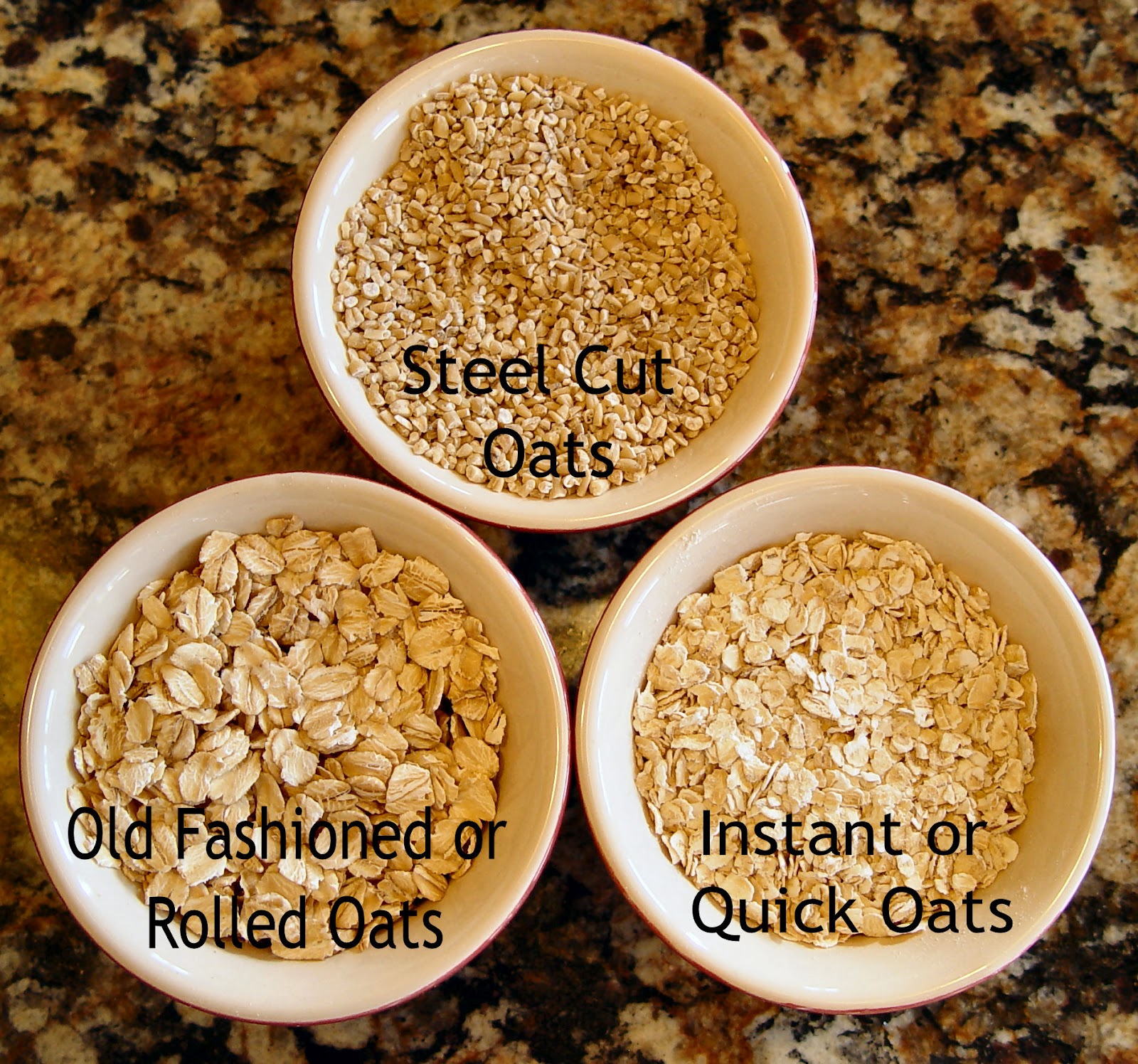
Oat groats: All types of oat cereals start out as groats, which are hulled, toasted oat grains. (Removing the hull doesn’t remove the bran, by the way.) If you have the patience to cook these down, try them out. For most, they can be challenging because of the chewy-ness factor.

Steel-cut (Irish) oats: These are the least processed type of oat cereal. The toasted oat groats are simply chopped into chunks about the size of a sesame seed. Much easier to chew and still have a creamy texture. These oats take about 45 minutes to cook, but can be easily prepared in a Crockpot over night.

Stone-ground (Scottish) oats: These are the same as Irish oats but they are ground into smaller pieces, closer to the size of a poppy seed. Both Irish and Scottish oats have to be cooked before you eat them. Irish oats take about 45 minutes to cook, Scottish oats about half that long (because they are smaller).

Old-fashioned rolled oats: These are made by steaming the toasted groats and then running them between rollers to create flakes. Rolled oats can be eaten as is or cooked into oatmeal (it takes about ten minutes). If you are stuck for time, this would be your next best options. These are more creamy and have a softer texture vs the Steel-cut or Stone-ground.

Quick-cooking oats: These are simply rolled into thinner flakes, so they cook a little faster.

Instant oats: These are the most heavily processed. The groats have been chopped fine, flattened, pre-cooked, and dehydrated. Instant oatmeal usually has added salt and sugar. (Sneaky!) I suggest leaving the instant oats on the shelf. In the time it takes you to boil the water to make instant oatmeal, you can cook some old-fashioned oats on the stove.

Are Steel Cut Oats Healthier?
Because they go through some extra processing steps, you might assume that rolled oats would be less nutritious than steel-cut oats, but it turns out that the differences are quite minor. Steel cut, stone-ground, old-fashioned, and quick-cooking rolled oats are all made from whole grains and they all have approximately the same amount of fiber, protein, calories, and other nutrients.
In particular, oats are a good source of soluble fiber. This type of soluble fiber can help reduce cholesterol and helps keep blood sugar levels steadier—which is helpful for managing and preventing diabetes and insulin resistance as well as keeping your appetite in check.

References: Nutrition Diva

The Truth About Vitamin Water

Over the weekend I had the pleasure of hanging out with friends and family and enjoyed a nice meal while catching up. I was surprised to see how many were passing up soda and choosing Vitamin Water. For a moment I thought, well at least they are trying to be healthy and step away from the aspartame and carbonation.  But taking a deeper look at Vitamin Water I wondered if they really knew what they were drinking...

This may be a touchy subject because I know how many avid Vitamin Water drinkers are out there, especially in our increasingly health-conscious (but misinformed) society. However, it's time to face the facts!

Vitamin Water gives the illusion of a healthy, hydrating, and rejuvenating miracle elixir. The bottles are beautiful, colorful, and the text on them is snappy and clever. They have empowering flavor names like "endurance," "energy," "essential," and "focus." There is no question that there is some genius marketing at hand.

However, nothing makes me cringe more than the sight of someone downing a bottle of "charge" or "balance" as though they are truly replenshing their body. The cold, hard truth is... Vitamin Water is fortified sugar water. Check the label yourself.

I went online to find the official nutrition info for Vitamin Water for this post. The Glaceau (company that owns Vitamin Water, Smart Water, and Fruit Water) website was beautiful and sleek, but of course did not offer any nutritional information. So, I found the information elsewhere after a good search. Let's take a look at "defense."


Nutrition Facts:
Serving Size 8 fl oz; Servings per Container 2.5
Calories 50
Total Fat 0g
Sodium 0mg
Total Carbohydrate 13g
Total Sugar 13g
Protein 0g
Vitamin C 60%; vitamin B3 10%; vitamin B6 10%; vitamin B12 10%; vitamin B5 10%, Zinc 10%

Ingredients:
vapor distilled/deionized water, crystalline fructose, citric acid, vegetable juice (color), natural flavor, ascorbic acid (vitamin C), natural flavor, vitamin E acetate, magnesium lactate (elecrolyte), calcium lactate (electrolyte), zinc picolinate, monopotassium phosphate (electrolyte), niacin (B3), pantothenic acid (B5), pyridoxine hydrochloride (B6), cyanocobalamine (B12)

First, let me point out that this product contains NO juice. None. Now that we have that out of the way, let's factor in that one bottle of Vitamin Water is 2.5 servings, therefore, nutrional information should be adjusted accordingly (unless you're really only going to drink less than half of the bottle at at time). That makes one bottle of Vitamin Water contain 125 calories and 33 grams of sugar. (Remind me again why they try to call this a form of "water"?) That's more calories and sugar than a 12 ounce serving of Coke (12 oz of coke equates 110 calories and 30 grams of sugar). Now, Coke contains high fructose corn syrup and is not fortified, but nutritionally, you're still getting sugar and calories from both drinks.

And don't be enticed by "crystalline fructose," the second ingredient on the Vitamin Water ingredient list. It's their own fancy name for their form of sugar, and it's the most prominent ingredient after water!

The whole "vitamin" aspect of Vitamin Water is irrelevant. So, they fortify their sugar water with chemically synthesized vitamins. You can now purchase "Diet Coke Plus," which is fortified Diet Coke. Because vitamins are added to a beverage, does that make it healthy? Vitamins can't undo the sugars and additives in a beverage, and you are much better off gaining these nutrients from your diet (or a multi vitamin if necessary). Of course adding vitamins to a drink doesn't do any actual harm, but it confuses consumers into thinking that the beverage is a healthy choice. Remember, these companies don't really care about your health and well-being... they're trying to win you over! Our society now has become somewhat obsessed with healthier choices, and the smart companies know how to appeal to that crowd. They boast that their drink is full of essential vitamins and will somehow make you perform your daily tasks more efficiently. Trust me on this: downing a bottle of sugar water is going to do nothing but give you a sugar crash later.

What about Vitamin Water Zero? If sugar seems to be the biggest downfall of regular Vitamin Water than Vitamin Water Zero must be great! Well, not so fast.  There is a small amount of "sugar" in their Zero products, but more concerning is the use of Rebiana which they claim is a "natural sweetener" and label it as "stevia" which most health & wellness gurus claim to be safe.  Unfortunately, you should not confuse Rebiana with pure stevia, it is a combination of chemicals with a dab of the stevia plant. Stevia itself is a sweetener and yet they are using Erythritol which is a sugar alcohol known to cause such things as bloating, diarrhea and cramps. That tells you they are not using much stevia. In fact, Rebiana's manufacturer, Cargill, (also the manufacturer of Truvia) suggests that you speak with your doctor before using products containing Rebiana.  Wait a minute...if it's so "natural" and a part of my "health drink" why would I have to consult your physician first?

Now, Vitamin Water is not pure poison. It is certainly not a health food or something that I would personally drink, but if the choice is between Vitamin Water or soda, I suppose Vitamin Water is a wiser choice. But you know what the smartest choice is? Water. Real water. It is crucial to keep your body properly hydrated at all times, and pure water is the only way to do this. Drinks that are full with sugar only continue to dehydrate the body, regardless of their water content.

Want something sweet to drink? Try some of our favorite beverages & juices for drinks that truly hydrate, taste great, and aren't full of added nonsense.


Portions of Article by FitSugar. Research through Livestrong.com & Natural Health News
Related Posts Plugin for WordPress, Blogger...