Search Our Recipes & Nutrition Information

Showing posts with label Nutrition. Show all posts

Good vs Bad: A Healthy Guide to Fat

For years, both doctors and nutritionists were continually preaching that low-fat diets were the way to not only lose weight, but to save the generations from things like heart disease and high cholesterol. Fat in the 1980’s and 1990’s was the enemy. Fat free sour cream, fat free crackers and cookies, fat free ice cream…everything became fat free.

Now we are learning through the studies and research of men like Dr. David Perlmutter, MD, author of the new book, Brain Maker, that all fats are not created equal. “One of the myths I’m always trying to dispel is that fat is unhealthy. Most people think those high-fat foods are the reason their pants are fitting a little tighter.” He says in his article Exposing the Secret of Healthy Fats. He goes on to share that it’s less about the quantity of fat and more about the type.

Wait…isn’t fat…fat?

Nope! In sharing this with my clients, I immediately get some strange looks and questions… “You want me to eat more fat? Are you sure?” and I answer with a resounding “YES!” This is one of the main reasons that our American Society is overweight and by allot! According to the Center for Disease Control, one-third (34.9% or 78.6 million) of US adults are obese compared to 1970, before the fat free craze began, when only 11.7% of adults were overweight. That’s a big jump and it all started with the overly processed, fat-free fever.

Most foods contain several different kinds of fats, and some are better for your health than others. So how do you weed through years of information and get down to the source of health? Don’t worry…I’ve done it for you! Here’s a look at the different types of fat, their effects and the healthy fat choices you should be making.

Harmful Dietary Fats

Trans Fat: This type of fat rarely occurs in natural foods and if so, in very small amounts. Most trans fats are made from oils through processed foods through a method called “partial hydrogenation”. By partially hydrogenating oils, they become easier to cook with and less likely to spoil in your pantry. Studies show that an increase in trans fat increases unhealthy LDL cholesterol (bad cholesterol) and lowers HDL (good cholesterol). This unhealthy concoction can drastically increase your risk of cardiovascular disease, overall cholesterol levels and your risk for Type 2 Diabetes.

What to Look Out for: Processed Foods sold at room temperature usually contain the most saturated and trans fats due to the lack of spoilage. But be aware, these unhealthy fats are stored all over the grocery store. Try to avoid or limit things like potato chips, French fries (frozen section), snack cakes or pies (sorry Little Debbie), shortening, crackers, cake mixes and frostings, pancake and waffle mixes, chicken nuggets (frozen section), certain flavors of Haagen-Dazs ice cream, non-dairy creamers, microwave popcorn, high fat yielding meats, cookies, jerky or meat sticks, canned chili and packaged pudding. These tend to have the highest levels of trans fats.

Instead Opt for foods that are as unprocessed as possible.
Homemade baked goods using coconut oil instead of canola oil or shortening.
Air popped popcorn with a little grass-fed butter and sea salt.
Baked Veggie Chips or one of my favorite Black Bean Chips, Beanitos.
Homemade Ice Creams or Puddings.
Grass-Fed Butter in moderation instead of margarine.
Goat cheese instead of cheddar.
Part Skim Mozzarella instead of processed nacho cheese.
There are alternatives to almost everything! Check out our Recipe section for more ideas!

Saturated Fat: This type of fat comes mainly from animal sources such as red meat, poultry and full-fat dairy products. Now before you run to the fridge and freezer and start chucking your steaks and butter, let’s take a closer look. Saturated fats, when paired with a high carbohydrate diet, raises total blood cholesterol levels and LDL, which are your low-density lipoprotein levels. This can increase your risk of cardiovascular disease. The Saturated fat & high carb combo may also increase your risk of Type 2 Diabetes by increasing the fat storage in the liver and around the intestine, impairing insulin action. Now, that being said, there is a balance needed to a meat-eating diet. When looking at our healthy plate, here is the breakdown. A Healthy plate should contain one-fourth protein, another half vegetables and the remaining one-fourth grains is an important ratio when trying to control your health risks for diabetes and cardiovascular disease as well as your waste line.

Choose cuts of meat that provide a great amount of protein, flavor and have low levels of saturated fat and eat them in the right proportions. These are lean cut meats like chicken breasts, beef round roasts, sirloin steaks, salmon or halibut, turkey breast and pork tenderloin. Remember before cooking to remove any unnecessary animal fat. We all know fat means flavor, so add a couple teaspoons of a healthy fat like olive oil to meat before sautéing or grilling! Replace the bad with good!

Healthier Dietary Fats

These types of fats are mostly unsaturated and are a critical need for our bodies. As Dr. Perlmutter says, “The body needs a balance of two types of essential fats: anti-inflammatory omega-3’s and pro-inflammatory omega-6’s. This balance needs to be closer to a 1:1 or 2:1 ratio to ward of diseases like diabetes, arthritis, heart disease and cancer. But due to our American diets of a 20:1 ratio….we are simply unbalanced.

Monounsaturated Fat: We’ll call these MUFA’s. They improve blood cholesterol levels decreasing your risk for heart disease while benefiting insulin levels and blood sugar control!

Polyunsaturated Fat: Found mostly in plant-based foods and oils, we’ll call PUFA’s, also improves cholesterol and blood sugar levels!

Omega-3 Fatty Acids: These fatty acids are in direct relation to the health of your heart, so not only are they lowering cholesterol, but they are decreasing your risk of coronary artery disease. Say goodbye to early heart attacks with Omega-3’s! These fats also protect against irregular heartbeats and lower blood pressure. The best foods to increase your Omega-3 intake are fish! I’m not much of a fish lover, so I can understand the disappointment when I tell my clients to cut back on the bacon and add fish to their diet, but I have found some really yummy ways to help you enjoy fish a couple times a week. Check them out here!

Healthier Fats can be found in olive oil, safflower oil, salmon, tuna, trout, mackerel, sardines and herring. Also flaxseeds, flax oil, coconut oil, avocados, nuts and other seeds like sunflowers and walnuts are super healthy for your heart!

Healthy Fat Recipes
Smoked Salmon Spread on Gluten Free Crackers
No Mayo Deviled Eggs
Goat Cheese Arugula Pizza
Dairy Free Pumpkin Latte
Homemade Almond Milk
Skinny Breakfast Tacos
Pecan Crusted Chicken Breasts
Veggie Beef Lasagna
Salmon Parmesan Fish Sticks
Mexican Salmon Burgers
Gluten Free Black Bean Burgers


Great Mornings Make Great Days

All of my life, I have not been too much of a morning person. But I am finding the older I get, the more I enjoy my quiet moments in the morning before my husband and daughter rise to start their day. In hopes of getting more of this amazing "me" time, I've started automating my morning routine...and that includes BREAKFAST! One of my favorite parts of the day :)

One of our family favorites is oatmeal. Not the instant, microwaved junk, but the ooey, gooey and naturally sweet oatmeal. The kind that warms your belly and keeps you feeling good for hours. This oatmeal is a staple in our home.  But, with some oatmeal taking upwards of 15-20 minutes to make, it's not as fast as the typical American breakfast...cereal or Pop-tarts.  Again, here comes the automation :)

I am obsessed with wide-mouthed Mason jars! I use them all over in my home. In the pantry to organize my grains, nuts and flours to keep them fresh, as "water bottles" in the fridge, for our fresh juices, salads for lunch and my newest use - oatmeal.


Automation usually means quantity and with oatmeal, this is super easy! After prepared, oatmeal can be kept in the fridge for up to one full week. It seems to only get tastier with time...

Not sure which oats to use? Check out our post about the differences between Rolled vs Steel Cut!

My Morning Oatmeal
1/2c rolled oats
2 tbsp pecans
1 tbsp pepitas
1 tsp ground flaxseed
1/4 tsp cinnamon
1 tsp organic dark brown sugar or 1 tsp agave nectar
1-2 dried apple slices
pinch of sea salt
1c no sugar almond milk

STANDARD VERSION: Add all ingredients into a small saucepan. Simmer, stirring consistently. Cook 6-10 minutes until tender and creamy. Serve immediately or refrigerate for up to 7 days.

QUICK VERSION: Add all ingredients into a glass bowl.  Microwave 2-3min and serve "Instant Oatmeal" without any preservatives and much less sugar!

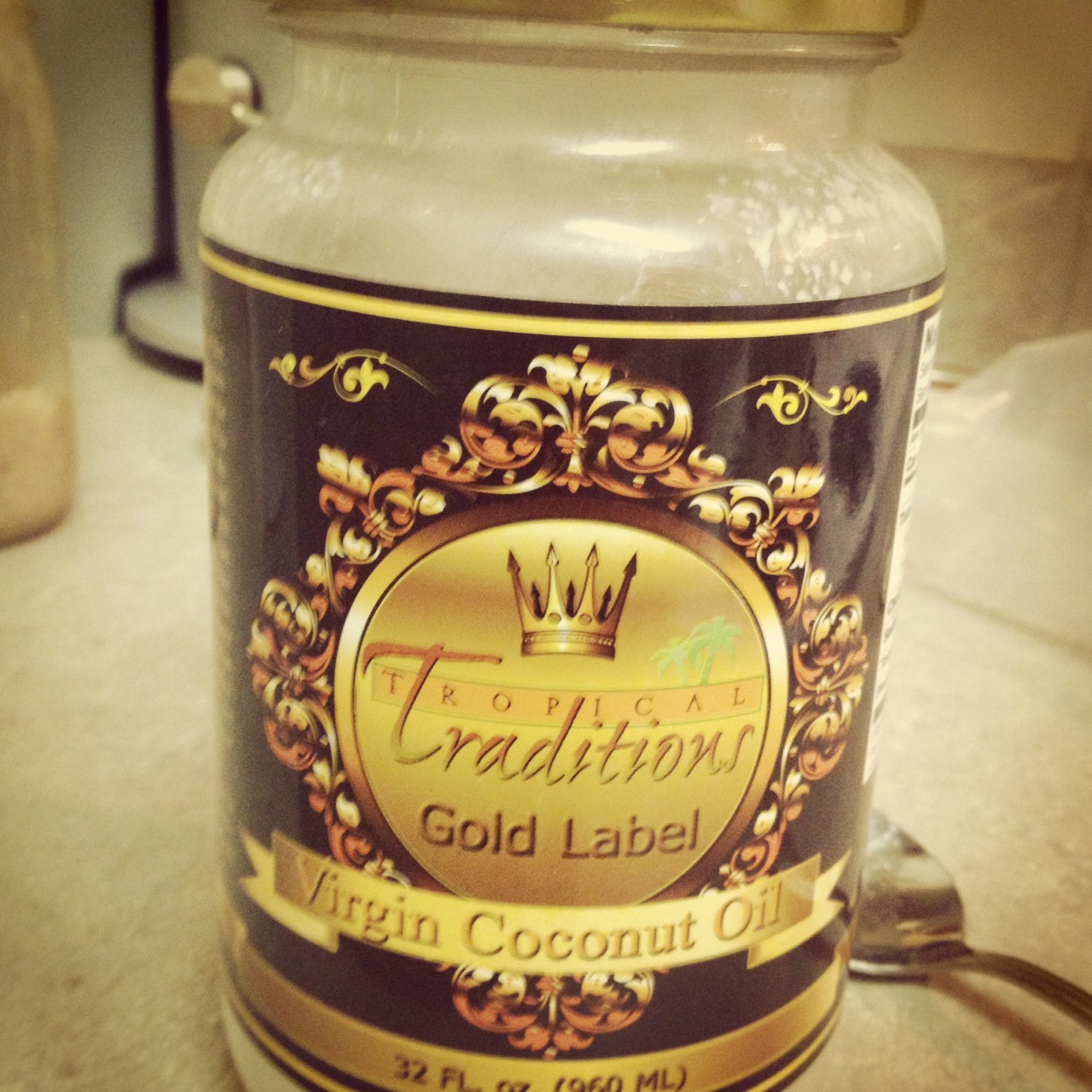
I am in love with agave and coconut oil, well they're both just amazing. So here are the brands I use!

I make 2-3 servings of this oatmeal and store it in my Mason jar in the refrigerator. Super easy to scoop and reheat each morning. Then I can do more of this each day...

Rolled Oats vs. Steel Cut Oats

I get a ton of emails every day. These emails turn into great posts to help support you in making the best possible food choices.  Sometimes time vs nutrition can be a sticky situation, especially when it comes to oatmeal.  Remember, we're going for the best nutritional value and the least processed food choices.  

Here's the breakdown and truth about one of my favorite breakfasts...Oatmeal.

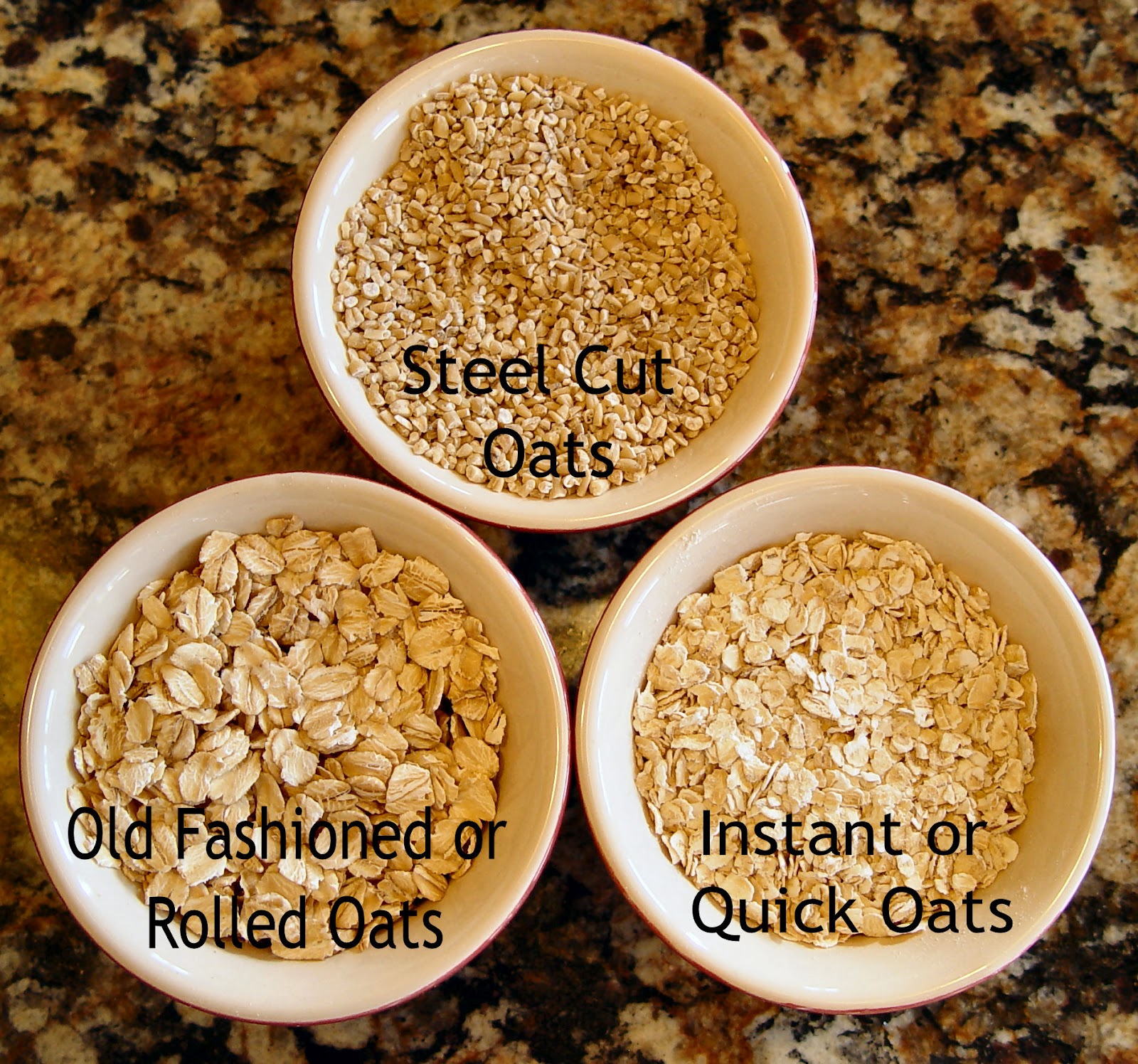
Oat groats: All types of oat cereals start out as groats, which are hulled, toasted oat grains. (Removing the hull doesn’t remove the bran, by the way.) If you have the patience to cook these down, try them out. For most, they can be challenging because of the chewy-ness factor.

Steel-cut (Irish) oats: These are the least processed type of oat cereal. The toasted oat groats are simply chopped into chunks about the size of a sesame seed. Much easier to chew and still have a creamy texture. These oats take about 45 minutes to cook, but can be easily prepared in a Crockpot over night.

Stone-ground (Scottish) oats: These are the same as Irish oats but they are ground into smaller pieces, closer to the size of a poppy seed. Both Irish and Scottish oats have to be cooked before you eat them. Irish oats take about 45 minutes to cook, Scottish oats about half that long (because they are smaller).

Old-fashioned rolled oats: These are made by steaming the toasted groats and then running them between rollers to create flakes. Rolled oats can be eaten as is or cooked into oatmeal (it takes about ten minutes). If you are stuck for time, this would be your next best options. These are more creamy and have a softer texture vs the Steel-cut or Stone-ground.

Quick-cooking oats: These are simply rolled into thinner flakes, so they cook a little faster.

Instant oats: These are the most heavily processed. The groats have been chopped fine, flattened, pre-cooked, and dehydrated. Instant oatmeal usually has added salt and sugar. (Sneaky!) I suggest leaving the instant oats on the shelf. In the time it takes you to boil the water to make instant oatmeal, you can cook some old-fashioned oats on the stove.

Are Steel Cut Oats Healthier?
Because they go through some extra processing steps, you might assume that rolled oats would be less nutritious than steel-cut oats, but it turns out that the differences are quite minor. Steel cut, stone-ground, old-fashioned, and quick-cooking rolled oats are all made from whole grains and they all have approximately the same amount of fiber, protein, calories, and other nutrients.
In particular, oats are a good source of soluble fiber. This type of soluble fiber can help reduce cholesterol and helps keep blood sugar levels steadier—which is helpful for managing and preventing diabetes and insulin resistance as well as keeping your appetite in check.

References: Nutrition Diva

How Science Perfected Addictive Junk Food


It’s no secret that eating nutrient-poor processed snack foods won’t keep you healthy. Laden with sugar, salt, and fat, indulging in them fill us up and take the place of foods that have the vitamins, minerals, and phytonutrients that give us energy and keep our systems running.
Though serving sizes and nutritional information are clearly labeled on packages, most people have trouble putting down snacks after eating one serving. Why is this?
The truth is that food manufacturers carefully study what makes a snack crave-worthy to make them more addictive. Researching which colors, textures, flavors and levels of sweetness or saltiness maximize the bliss point, scientists design foods to create constant cravings and boost profits for food manufacturers.
A recent New York Times article reveals that the food industry has used science for years to create addictive junk food. The results of their science experiments have altered the way we eat – fewer set meal times and more frequent grazing or all-day snacking. The consequences have yielded a growing health crisis with increasing numbers of people with chronic diseases such as diabetes, obesity and hypertension.
The good news is that you can break the habit by eating real meals containing whole foods. By abstaining from processed salty and sweet snacks, you can retrain your taste buds so that the cravings no longer have a hold on you.
How to do this? Here are a couple of tips:
Cook more: When you prepare your own meals, you know exactly which ingredients are on your plate. Experiment in your kitchen by trying new recipes.
Crowd out: instead of cutting out your snacks, add in wholesome foods. You won’t have as much room for the junk if you’re eating the good stuff, too. Leafy greens can help cut your cravings for sweets.
Substitute: Use a natural sweetener like honey or stevia instead of refined white sugar in sweet treats. Try a new dessert recipe that has more healthful, whole ingredients.
What’s your favorite healthy snack?

5 Tips to Stay Social When You Have Food Allergies


More people than ever before are being diagnosed with food allergies, and many are adopting diets that eliminate gluten, dairy, and soy, based on a diagnosed intolerance or personal preference. The dietary restrictions that accompany food allergies and intolerances often require an adjustment period of learning what you can and cannot eat. It can be isolating, but remember – you are not alone! 
If you are among this growing group, you’ve likely felt anxious at some point about attending a social function or dining out at a restaurant. Whatever the reason for avoiding certain ingredients in your meals, it’s important to focus on your primary food, like spending time with friends and family while still nourishing your body at mealtime. 
Here are five tips to help you stay social: 
Offer to bring a dish  If you’re heading to a party hosted by someone else, let them know ahead of time that you’d love to bring a food contribution. The host will likely be relieved to have some help, and you’ll be able to eat without worry. 
Host a get together – In the same light, invite friends and family to your home. If you are cooking and preparing the meal or snacks, you have control over the ingredients, thereby adding an element of ease to your social engagement. You’ll introduce your guests to delicious food, and have the opportunity to shed some light on your allergy or intolerance, if you so choose.  
Do your research – Check out restaurant menus online (or call) ahead of time to ask about allergy-free options. An increasing number of restaurants offer entire gluten-free menus, vegetarian and vegan options, and many dishes can easily be modified for your specific needs. When researching restaurant options, ask if the chef is willing to accommodate someone with food allergies, and tell your server at the beginning of the meal. 
Carry healthy snacks with you Most people who are on the go pack snacks to balance blood sugar and boost energy. Fresh fruit, vegetables, hummus, or packaged bars with simple, organic ingredients are easy options. Another great idea is to make your own trail mix using ingredients that suit your needs. Add a bit of dark chocolate for a boost of antioxidants! If you’re prepared with a snack, you can tame your hunger in a crunch, and eat a more substantial meal soon after. 
Be honest with your friends and family – Food allergies are common and there’s no reason to be embarrassed or ashamed. Set your mind at ease by being honest with the people in your life. They more they know, the better they can respect your circumstances and honor your needs when it comes time to dine together.
Do you have experience with food allergies? Please share your tips!


3 Common Food Groups that Boost Longevity


Exotic superfoods, such as chia seeds, cacao, coconut oil, or goji berries, are frequently praised by the modern nutrition media. But what about the seemingly normal, healthful foods we - and our grandparents - grew up eating? Don’t they deserve a little credit? You bet they do!
You don’t need hard-to-pronounce herbs from the Amazon to add years to your life, you just need a generous dose of primary food and plenty of antioxidants, which can be found in a number of grocery store standards.
Antioxidants play an important role in maintaining overall health by balancing unstable free radicals and slowing down the aging process. Consuming natural sources of these vital nutrients could play a key role in longevity and vitality, as they stabilize molecules that are weakened by pollution, UV damage, and even the chemical byproducts of life itself. Antioxidant-rich foods also reduce inflammation, maintain skin elasticity (less wrinkles!), and prevent degenerative diseases like cancer and Alzheimer’s disease.
Here are the three common foods that can contribute to a long and healthy life:
Berries contain a high amount of antioxidants called anthocyanins, which give them their bright colors. These substances help reduce oxidative stress and degeneration, improve brain function and eye health, and even prevent DNA damage.
Berries taste great as a healthy snack, dessert, or in a smoothie!
Cruciferous vegetables contain generous amounts of various antioxidants like vitamin C, beta-carotene, and zinc among others. Best known for their role in cancer-prevention, this group includes broccoli, cauliflower, and kale. They also contribute to detoxification, hormonal balance, and bone health.
Cruciferous veggies are best eaten raw in a salad, or blanched, sautéed, or baked.
Beansin addition to being antioxidant-rich, also contain important nutrients like folic acid, vitamin B6, magnesium, and fiber. These nutrients combine to help maintain a healthy digestive system, regulate blood sugar, and maintain cardiovascular health.
Beans are healthiest when purchased dried, then soaked and cooked at home.
What are your favorite antioxidant-rich recipes?

Is Eating Organic Still Worth It?

The media is buzzing with reports that organic may not be worth the money. Researchers at Stanford University announced that organic fruit and vegetables don’t have more vitamins or minerals than conventionally farmed produce and that there are no significant nutritional advantages to organically farmed meat.

Does that mean that you should trade in organic foods for the cheaper price tag? In most cases, definitely not.

Comparing the nutritional facts of organic vs. conventional products does not get to the heart of the organic question. Even if an organic strawberry isn’t any higher in vitamin C than a non-organic, it is free of pesticides, growth regulators, additives, and other harmful chemicals used in conventional farming.

The Stanford study found that pesticide residue on conventional produce was “almost always” under the allowed safety limits, but many experts argue that no amount of pesticide consumption is safe. Pesticides have been identified as contributing factors to conditions ranging from cancer to obesity to ADHD. Pregnant women are encouraged to eat organic because studies reveal pesticides affect a baby’s IQ in utero, and in 2010, President Obama’s Cancer Panel encouraged all consumers to purchase organic produce.

As far as the benefits of organic meat go, take the example of arsenic-laced chicken. This conventional poultry may contain the same amount of protein as an organic chicken, but it was unnaturally fattened, artificially pigmented and fed Prozac to alleviate its constant distress.

Moreover, organic farming is better for the environment, as it emphasizes renewable resources and sustainable practices that protect waterways, conserve wildlife, promote soil fertility and maintain humane working conditions for fieldhands. Furthermore, organic meat, poultry, eggs and dairy are free of the antibiotics that spawn drug-resistant superbugs, an imminent threat to public health.

As a professor of mine, Dr. David Katz once pointed out, this study demonstrates the misconceptions people have long held towards organics. “Organic does not mean ‘nutritious’ and never did,” says Dr. Katz. “Gummy bears – and sugar, for that matter – may be organic, and add nothing but empty calories to your diet.” That is why comparing nutrition facts – such as vitamin and mineral content or calories – between conventional and organic produce is a misleading method of establishing the benefits of organic.

The organic label has long been misperceived as a general stamp of health. As the profitability of the organic industry has exploded, there has been a proliferation of highly processed and unwholesome – but organic - junk food. This has been largely enabled by the relaxation of USDA “certified organic” standards, which are compromised by Big Ag interests.

So organic cheese puffs aren’t healthy – no surprise there. And perhaps an organic strawberry isn’t any higher in vitamins than a non-organic. But buying organic was never about nutritional content. It is a question of what you want to keep out of your body – namely, pesticides and contaminants – more so than what you want to put in it.

The bottom line? Organic produce and meat is still better for you and the environment. But just because it says “organic” doesn’t mean it is a health food.


What is Leaky Gut? How to Heal Your Digestive System


Leaky gut syndrome is a condition of the digestive system characterized by increased permeability of the intestinal lining, allowing pieces of undigested food and other toxins to enter the bloodstream where they do not belong.
This process activates the immune system in an effort to eliminate the foreign substances from the body, and thereby causes inflammation. The result is a wide range of physical symptoms such as bloating, multiple food sensitivity, headaches, eczema, and chronic fatigue, among others.
Essentially this means that having a leaky gut can seriously impair your overall health, and you could have it without even knowing! It also doesn’t help that it goes mainly undiagnosed by many mainstream medical professionals because they tend to focus on treating the presented symptoms, not the underlying root cause.
A multi-pronged approach is often necessary in order to heal a leaky gut. A balance of a wholesome natural diet, stress-reduction, supplementation, and a generous dose of patience are all required.
The following recommendations will help you begin to regain digestive balance, as you work with a wellness professional to measure your progress:
Eat alkaline foods
Alkaline foods contain natural anti-inflammatory and anti-oxidant compounds, which reduce inflammation, fight free radicals, and aid in the healing process. Not to mention they also play a role in naturally increasing energy and boosting overall health! Such foods include most raw vegetables and fruit, apple cider vinegar, and certain herbs and spices such as ginger.
Consume whole foods that are high in zinc and vitamin D
These nutrients are especially helpful at healing the intestinal lining and can be found in pumpkin seeds, salmon and other fish, garlic, dark chocolate, eggs, shitake and button mushrooms, and of course sunshine! Supplements can also be beneficial if your healthcare professional recommends them.
Reduce stress
It is important to avoid stress as it suppresses the immune system, prevents healing, and could contribute to greater intestinal permeability. Even if you have a busy lifestyle, there are many simple ways to limit the daily stress in life.
Avoid sugar
Sugar and starchy foods contribute to an overgrowth of yeast, which attaches to the intestinal lining to cause inflammation and thwart the healing process. Low glycemic fruits are OK if eaten sparingly and if your condition is not severe. However, you may want to experiment by avoiding fruit completely for 2 weeks, and reintroducing it slowly to see how you react.
Consume probiotics and digestive enzymes
The restoration of proper intestinal flora is essential to regaining digestive health. Probiotics and digestive enzymes help the gut to effectively break down and digest food, thereby reducing the likelihood of entrance into the bloodstream. These are available naturally in raw and fermented foods.
What have you found helpful in treating a delicate digestive system?

Adrenal Fatigue vs. Thyroid Dysfunction: How to Tell


If you’re frequently tired, have the blahs, and feel like it’s difficult to keep weight off, you may be experiencing the winter blues if you’re in the Northern Hemisphere. Or it could be a more serious condition.
You might naturally assume your thyroid’s off balance if you have a family history of thyroid issues. However, adrenal exhaustion and thyroid dysfunction are closely linked and frequently mistaken. Some of the symptoms they have in common include extreme fatigue, never feeling well-rested, fuzzy thinking and memory issues, unexplained weight gain, and depression.
Adrenal fatigue and thyroid dysfunction are often confused because imbalances between the adrenals and thyroid are connected between their root origin in the pituitary gland and hypothalamus parts of the brain. These work together to increase and decrease hormones release by the adrenals and thyroid, as well as the sex organs. When one system gets thrown off balance, the other can be disrupted. This makes it more difficult to figure out if it’s adrenal or thyroid imbalance.
So how can you figure out if it’s hypothyroidism or adrenal exhaustion? Here are some telltale signs for both.
The biggest signs pointing to thyroid imbalance include:
  • Paleness and dry skin
  • Brittle nails
  • Cold/heat intolerance (especially when everyone else is comfortable)
  • High blood pressure
  • Puffiness in the face and extremities
For adrenal fatigue, the biggest signs include:
  • Dizziness on standing
  • Low blood pressure
  • Salt cravings
  • Feeling overwhelmed by minor situations
If you feel like you may have either a thyroid imbalance or adrenal exhaustion, you can visit your doctor for specific tests. Adrenal tests may include having your cortisol levels checked or going through an insulin-induced hypoglycemia test to see how your endocrine system reacts. For thyroid issues, standard tests often include testing your levels of thyroid stimulating hormone (TSH), total and free thyroxine (T4), and total and free triiodothryonine (T3).
What if you test negative for both but still feel terrible? Of course, it makes sense to get a second opinion, as blood tests are not foolproof. And while we don’t recommend foregoing medical treatment if it’s necessary, it can be worthwhile to evaluate your food and lifestyle habits to see if you can make changes that will help boost your energy, improve your mood, and clear your thinking.
Some questions to ask yourself:  Do you get enough sleep? Is it restful or restless? Are you fitting healthy movement into your life? Are you eating healthy meals at regular times? Do you eat for emotional reasons?
A Health Coach can help you figure out the answers to these questions if you’re uncertain about what you should be eating or how much sleep and exercise you really need to feel good.
Have you ever had to heal from a thyroid issue or adrenal exhaustion? Share your tips in the comments. 

3 Ways to Curb Emotional Eating


Everyone eats for comfort every once in a while. You may crave ice cream if you’re stressed, salty chips when you’re bored, or chocolate if you’re feeling hormonal. Occasional emotional eating isn’t necessarily a problem, but it can become one if it becomes the habitual.
Overeating comfort foods can cause blood sugar imbalances, increased inflammation, and weight gain, all of which can lead to serious chronic diseases. Emotional eating also prevents you from dealing with sadness, anxiety, and anger. Food becomes a drug to numb negative emotions.
How do you know if your eating is for soothing instead of hunger? Here are a few things to consider:
  • When was the last time you ate? Notice if it was just a couple of hours ago.
  • What time of day is it? You may be comfort eating if it’s midafternoon or late at night after you’ve already had dinner.
  • Are you mindful while eating? Notice if you’re also checking email, watching TV, or just zoning out.
If you know that emotional eating has become a habit, here are three steps to help you break that pattern.
Hunger litmus test
You’re craving chocolate, but are you really hungry? What if you ate an apple or some carrot sticks instead? If you feel like eating “real food” would feel too filling, then you’re not hungry. If you’re not hungry, what is it you really want? 
Address the real needWhat is it that you’re really craving that you’re not getting in your life? You might not want to snack if you’re getting a healthy dose of primary food – the things in life that feed you, like loving relationships, a career that excites you, or physical activity. Which of these could you add into your life to feel happier? 
Maybe you just want a break from work – how about taking a walk instead? Or if you’re feeling lonely, can you chat with a friend on the phone, or set up a time to meet? If your job is a drag, can you make it more fun by having lunch with a coworker or giving yourself a non-food reward for finishing up your tasks faster?
Be presentThis is key to breaking the pattern. Practice eating without distractions – sit down with a plate of food at a table without any reading material or computer or TV screens. You can have calm conversation with a friend or family member, but otherwise, focus on eating only.
As Geneen Roth, emotional eating expert says, “If you pay attention to when you are hungry, and what your body wants, you end the obsession because obsession and awareness cannot coexist.” 
What do you do instead of eating for comfort?

Chia, Hemp, and Flax: Are You Eating These Super Seeds?


Chia, hemp, and flax … it’s been said that these tiny seeds are the next big thing in nutrition. If you’ve ever searched for a healthy smoothie recipe or healthy breakfast recipe, chances are you’ll find at least one of these seeds listed in the ingredients. So, why is there so much hype around these “super seeds” and how do we know which ones to include in our diets?
Seeds have been deemed “nutritional powerhouses” by health experts and for a good reason. All three of these seeds are packed with healthy oils, fiber, disease-fighting minerals and enzymes, antioxidants, and proteins. Each one of these tiny wonders has its own unique nutritional value and can be easily incorporated into just about any recipe without changing its taste or texture.
Here are 3 super food seeds that will add a nutrient-packed punch to your diet:
Chia Seeds
What is it? You may have heard of them first as the seeds that grow toy Chia pets, but chia seeds are actually an ancient super food used by Aztec warriors to increase energy and stamina on the battlefield.
Why is it good for you? In addition to being an excellent source of fiber, antioxidants, and protein, chia is very rich in omega-3 fatty acids.  Not to mention that this tiny seed may have over three times more calcium than milk! Chia also forms a gel when added to liquid and absorbs ten times its weight in water making it an excellent source of hydration. 
Hemp Seeds
What is it? Hemp seeds come from the same Cannabis species as marijuana, but don’t worry about testing positive for drugs after consuming these seeds—the minuscule amounts of tetrahydrocannabinol (THC) found in hemps seed make them perfectly safe to incorporate in your healthy diet.
Why is it good for you? Hemp seeds contain all the essential amino acids—something uncommon in plant protein sources. This means that hemps seeds are a fantastic protein supplement for people on a plant-based diet. They’re also chock-full of fiber and packed with other nutrients, such as omega-3 and omega-6, vitamin E, B vitamins and folic acid.
Start your morning off right by blending a tablespoon of hemp seeds into your oatmeal or your post-workout smoothie for an extra hit of protein and nutrition.
Flax Seeds
What is it? This seed comes from the flax plant and has been celebrated for centuries for its health benefits by people all over the world.
Why is it good for you? Flax seeds are rich in Alpha-Linolenic Acid (ALA), an essential fatty acid and powerful anti-inflammatory. Some studies show that due to their anti-inflammatory properties, flax seeds may help to prevent heart disease and reduce certain types of cancers.  They are also an excellent source of dietary fiber, lignans, calcium, potassium, and magnesium, among other nutrients. To get the most out of your flax seeds, try grinding them first—this will make them easier for you to digest and absorb all the nutrients.
Just sprinkle ground flax seeds into cereals, baked goods, smoothies, and yogurt for an extra boost of vitamins and minerals.
Which seeds do you add in your diet?

5 Foods to Eat for Women's Health


January is Cervical Cancer Awareness Month, a great time to raise awareness and empower all of us to take charge of our health and adopt habits that promote a long, happy life. While there are many preventive measures a woman can take to protect herself against illness and chronic disease, few are as simple – and powerful – as fueling up on a nutrient-rich, whole foods diet.
Here are five foods that support female reproductive health:
Avocados offer powerful free-radical fighting compounds in their oil. They can help fight against free-radical attacks at the cellular level.
Eggplants are a rich source of phenolic compounds, including chlorogenic acid, which has antimutagenic (anti-cancer), antimicrobial, anti-LDL (bad cholesterol) and antiviral properties.
Pears help lower insulin resistance and the risk of type 2 diabetes in women. The fiber in pears also helps bind with bile acids and reduce the risk of certain types of cancers.
White Vegetables have anti-viral, anti-fungal, and anti-inflammatory nutrients that boost the immune system. Examples of white veggies include garlic, onions, cauliflower, and daikon radish.
Omega-3 Fats are important to help fight inflammation. You can get a good dose of Omega-3s from flax seed oil, chia seeds, walnuts, and oily fish such as wild caught salmon, sardines, mackerel, and anchovies.
What are your favorite foods, teas, or supplements to protect your health? 

5 Ways to Improve Your Digestive Health


Did you know that your brain and digestive system are connected? That is why, for example, when we are nervous, we will sometimes get a stomachache. A new survey reports that 93% of Americans agree that digestive health is important to overall wellbeing, but many do not know how to improve the health of their digestion.
The truth is there are many ways to better our digestion, but lifestyle and food choices can make it difficult. Here are a few simple recommendations to help get you – and your digestion! – on the fast track toward a healthy and happy lifestyle.
Fill Up On Fiber
High-fiber foods are one of the best ways to clean up your digestion. Not only will it keep you regular, but it can also help you lose weight and prevent heart disease, so fill up! Foods high in fiber include beans, whole grains, avocado, broccoli, nuts, apples and pears.  
Stay Hydrated
Water is your best friend when it comes to a healthy digestion, helping you break down all the fiber and fats you eat throughout the day for a smooth (sans bloating, sans constipation) transition. Try to opt for water instead of sugary drinks or caffeine when possible.  
Take Probiotics
Probiotics might sound scary, but you already have 400 types floating around in your digestive tract! Probiotics are bacteria that help maintain a healthy balance of good bacteria in your gut. The best way to get more probiotics in your system is by eating yogurt or taking probiotic supplements.
Eat Slowly and On Time
Rushing through a meal is a surefire way to slow down your digestion. Take the time to eat slowly by taking smaller bites and chewing twice as long. Eating your meals on schedule every day is also a great way to keep your digestion on track. Try to set meal times that are practical for your day-to-day life. 
Meditate & Relax
Your nervous system controls your digestion, which means that every time you are stressed, your digestion suffers. Before it goes too far, try relaxing activities to help decrease your stress levels and increase your digestive health. A few ideas include listening to music, going for a walk, self-massage, taking a bath, or engaging in meaningful conversation.  
How do you take care of your digestive health? 

Teas & Supplements for Women's Health


To raise awareness about the preventive measures a woman can take to protect herself from chronic disease, last week we highlighted 5 foods that support female reproductive health.
While we absorb tons of necessary nutrients from whole foods and well-balanced daily meals, there are a few vitamins and minerals that can be difficult to obtain only from the foods that we eat.Here are some teas and supplements that are known to be beneficial for women’s health. Just make sure to take the right amounts because too much of a good thing can be a bad thing!
Reproductive HealthTry Raspberry Leaf Tea, known as the “women’s tonic” for reproductive health. Anecdotal evidence suggests that the nutrients in the leaves help tone uterine muscles and relieve PMS symptoms, and many women believe that it aids delivery late in pregnancy and can enrich breast milk.
Bone HealthCalcium is crucial for bone health, particularly for women as they age. Women are at much higher risk than men for osteoporosis and broken bones later in life. When taking it as a supplement, it is important to combine with magnesium and vitamin D for proper absorption.
Heart HealthDrink black tea! This super antioxidant beverage is proven to reduce the risk of heart attack, stroke, and blood pressure for women. Not only will your heart be happy, but the tea leaves can double as a beauty product when applied topically, preventing premature aging and puffy eyes. To get the most out of your black tea, make sure to leave in hot water for at least 5 minutes to release its antioxidant properties.
FertilityNew research shows that Omega-3 fatty acids help regulate the menstrual cycle and boost fertility, among many other great health benefits (such as protecting your heart from air pollution!) If you’re not getting enough in you diet, the best way to get the nutrients is from fish oil or vegan Omega-3 capsules.
ImmunityElderberry is most commonly used to fight colds and flu, but it also helps to fight inflammation and strengthen the immune system. Elderberry is most commonly taken as a tea, syrup, or lozenge short-term so that you can get that boost you need – and go on with your busy day!
MoodKnown as the “Sunshine Vitamin,” vitamin D is produced in our bodies when absorbing sunlight or eating certain foods such as fish, eggs, or fortified foods. Women who are deficient in this vitamin tend to feel symptoms of weight gain, moodiness, and depression. Wintertime is an especially hard time to get enough vitamin D. Before taking the supplement, check with your doctor to find out if you are below the optimal level.
Not all supplements fair the same. If you’re looking for a supplement right for you, ConsumerLab.com is a great resource to find out which brands are best.
Which supplements do you take for optimal health? 


Choose the Cleanse That Works for You!


Detoxification is a natural part of our body’s daily functions. As living organisms, we are constantly taking in fresh forms of nourishment and eliminating the components that have been used up, as well as those that were not beneficial to begin with. But does this process always work efficiently?
Unfortunately, things like stress, pollution, lack of sleep, and even negative emotions can drain our immune system’s ability to filter out some of those harmful substances.
The result is toxic build-up, which can cause a wide range of uncomfortable symptoms, such as difficulty losing weight, headaches, allergies, digestive distress, and fatigue - not to mention interference with the absorption of new nutrients from a healthy diet. Over time, toxins can cause inflammation, and lead to more serious conditions such as autoimmunity, heart disease, or cancer.
Now for the good news!
Periodic cleansing, along with regular exercise and plenty of water, can boost your ability to get rid of toxins and have a strong and healthy immune system. Just like you clean your home on a regular basis, doing some internal cleaning of your body will help you feel lighter, have more energy, think more clearly, and reduce the discomfort of a variety of physical ailments.
In case you’ve heard that cleansing can be challenging or unpleasant, have no fear. At least one of these cleansing methods is likely to suit you:
Beginner cleansing.
You don’t have to go all out and deprive yourself of food in order to give your digestive and immune systems a chance to recuperate. The temporarily withdrawal of even one common food allergen from your diet can have enormous benefits. The difference in how you feel may be so dramatic that you decide to permanently exclude certain foods from your diet! We recommend completely eliminating one or more of the following foods, 1 at a time for 1-2 weeks, and then reintroducing it slowly to see how you react: dairy, sugar, animal proteins, wheat (gluten), and processed foods.
Intermediate cleansing.
If your diet rarely includes the foods listed above, then you can take it to the next level by trying a vegan cleanse for 3-7 days. The vegan diet has gained popularity as one that is both health-promoting, due to its high vegetable content, and ethical, as it excludes animal foods such as meat and dairy. This may not work for you as a long-term diet, but it can be an excellent way to gently detoxify and reboot your system.
Advanced cleansing.
Provided that you are in good health, and your healthcare provider supports an advanced cleanse of this nature, a brief raw food or juice cleanse can also be beneficial. This cleanse can be done for 3-5 days and entails consuming only raw natural foods in whole or juice form. These cleanses are effective at cleaning out your digestive system while giving you plenty of vitamins and minerals. Just make sure to do your research, and prepare yourself both physically and mentally before you begin the cleanse.
No matter your cleansing style, enlisting the support of friends and family can help you fight temptation and stay focused on your goal of symptom-free health. We also recommend that you take it easy while detoxing, and choose a time when your stress level can be kept to a minimum. Coupling a cleanse with gentle self-care activities such as prayer or massage can truly enhance those few days for a full mind-body experience.

Tips to Sleep Better (And Control Your Weight Too!)


sleep and weight lossIt’s no news that sleep is crucial to your physical and mental health. Being well rested not only empowers you to concentrate and boosts your mood; it also strengthens your immune system and fights chronic inflammation.
Another benefit to add to the list? Maintaining a healthy weight. According to new research, being sleep deprived can cause you to eat 300 extra calories a day.
It all has to do with the delicate balance of hormones in the body. Men and women who slept less than four hours a night several nights in a row experienced hormone disruption in ways that dramatically affected their metabolism and appetites. Sleep-deprived men had more ghrelin in their blood, a hormone that stimulates hunger, and tired women had less GLP-1, a hormone that suppresses hunger.
The impacts were significant: the participants ate 300 calories more when sleep deprived than they did after a full night’s rest. It’s unclear exactly how these biological mechanisms work, but it seems that our bodies are designed to crave food differently when we’re exhausted.
So how can you make sure you’re getting the 7-9 recommended hours of sleep every night?
Unplug a few hours before bedtime
The glow from your computer, iPhone, or even TV can stop your body from producing melatonin, the hormone that makes you sleepy. Unplug and unwind with a book or music instead, and make sure your bedroom is totally dark once the lights are off.
Get exercise – but not too late
Staying physically active is not only essential for your health; it also ensures that you’re ready for a good night’s rest at the end of the day. But some people find that exercising too close to bedtime can leave them feeling jazzed up and unable to nod off, so try to exercise earlier in the day if possible.
Create a comfy, peaceful space to sleep
Make your bed a place you can’t wait to crawl into every night. Invest in a high-quality mattress if possible, experiment with pillows, use soft sheets, and make sure you’re not too hot or cold. Be sure to never work, talk on the phone, or watch TV in bed, so your mind associates bed with rest and relaxation.
Ease up on the water
Staying well hydrated is important, but frequent bathroom trips throughout the night can be very disruptive to your sleep. Joshua Rosenthal, IIN Founder and Primary Teacher, recommends drinking lots of water in the morning and early afternoon, and easing up by evening-time so that one can sleep uninterrupted.

How To Make Healthy Eating Fun for Kids

Kids are notorious picky eaters. Not only are they naturally reluctant when it comes to new experiences, but they also love to test your boundaries by saying no. This can lead to frustrating mealtimes, for both of you.
While not all kids are picky, many will go through a fussy eater stage.  So whether you’re detailing with a little one at home, or are looking for creative ways to support school lunch programs, here are a few tips to keep up your… apron:
Always serve a veggie on the plate. It might take a long time before they eat it, or even allow it to remain in their vicinity, but presenting vegetables in a consistent way will eventually help kids accept them as familiar and acceptable foods.
Share how much you enjoy healthy foods. Even if your kids are repulsed, keep on enjoying your greens, and let them know how much you love it. Despite their stubborn nature, curiosity – or the desire to be a “cool grown-up” – will often win out in the end.
Name your foods. Carol the carrot and Bronco the broccoli are way more fun at the kitchen table than just a bunch of plain ‘ol veggies. Giving foods names and animating them (veggie theater anyone?) connects kids with their healthy meal friends, which increases their likelihood of tasting them.
Tell them Elmo eats it. Kids absolutely adore Elmo. A study even showed they are more likely to choose an apple over a candy bar if the apple has an Elmo sticker on it. Even if you don’t have stickers handy, telling kids that Elmo eats kale so he can grow up big and strong could actually work.
Cook together. Inviting children to help prepare a meal increases their investment in the end result. This might require more clean-up, but can help foster a lifetime of appreciation for good quality food.
Explore where food comes from. There are few things a kid loves more than digging in the dirt. Take them to a community garden or a farm where they can learn about how food grows, or start your own garden!
It’s all in the presentation. Make their healthy food plates visually interesting by making shish kabob fruit, funny veggie characters, or offering a variety of foods cut up into shapes that they can mix and match (as long as they eat every piece!).
Juice or blend it. If your kids are ok with fruit but less welcoming when it comes to vegetables, juice it! Most kids love juice, and as long as it has some fruit for the sweet flavor, they won’t notice a little spinach or celery in the mix.
Food negotiation. This may be a controversial tactic, but if nothing else works, give it a try. Have a food on the table that you know your child likes, and give it to them in small amounts only after they have one or two bites of the healthy food.
And remember, whether you’re dealing with stubborn kids – or headstrong adults - the most important thing you can do is be a healthy role model.  Eat wholesome foods, engage in fitness, and cultivate a spiritual outlet. It may be a slow and steady road, but patience and perseverance go a long way in reaching those who are reluctant to change.
How do you promote healthy eating with children?

High Fructose Corn Syrup Linked to Type 2 Diabetes


The health debate about high fructose corn syrup continues with a new study.
New research correlates the consumption of high fructose corn syrup (HFCS) with Type 2 Diabetes.
Researchers looked at the amounts of HFCS consumed in 42 different countries.
In countries where the food supply included more HFCS, Type 2 diabetes was 20% more prevalent than in countries where HFCS was not included in the food supply.
The United States had the highest levels of consumption, with an average of 55 pounds of HFCS per person per year. By comparison, HFCS consumption was less than 0.5 kilograms per person each year in Sweden, Austria, and Denmark.
But, as the Corn Refiner’s association was quick to point out, the study does not say that HFCS actually causes Type 2 Diabetes.
The debate of the health merits of various types of sugar is not new. Earlier this year, a researcher at UCSF said that sugar is toxic and should be regulated similarly as alcohol or tobacco. Another study conducted at UC Davis found that HFCS consumption increased levels of LDL (bad) cholesterol.
Marion Nestle, food policy expert and professor at New York University, is a whole foods advocate but also questioned that merits of the study. As she toldThe New York Times, “Diabetes is a function of development. The more cars, more TVs, more cellphones, more sugar, more meat, more fat, more calories, more obesity, the more diabetes you have.”
No matter what, too much of any type of sugar isn’t good for you. Sugar sneaks into many packaged products under many names. It’s important to read labels carefully, even for foods that you might not suspect have sugar in them. Some of those include yogurt, soup, bread, sauces, and meats.
Then, look to replace the more extreme sugars with the least refined sweeteners you can find. Some good sugar substitutes include honey, brown rice syrup, maple syrup or stevia. 


Related Posts Plugin for WordPress, Blogger...