Search Our Recipes & Nutrition Information

Showing posts with label Cooking 101. Show all posts

Veggie Prep + Fall Veggie Recipes

I don't know about you, but my life is pretty hectic sometimes. A million things can be pulling me in different directions causing me to get in an eating slump pretty dang quick! This last week could have been a prime example.  I took a trip to my parents' home in Wisconsin to visit and catch up on some family time.  Wisconsin is such a beautiful, wild place. I love to soak up the quiet, peaceful mornings and take them back on the road with me as we travel for work.  As many of you know, nothing can set off an eating extravaganza like a mini-vacation. It's the perfect storm for over-indulgence on unhealthy choices. I'm all for vacationing and splurging and treating yourself here and there, but if left unchecked those nasty little choices can become habits when you get home.

Turning a blind eye to all the glorious, golden cheese in Wisconsin, I decided to use my parents' large kitchen to do some veggie prepping and stock-piling healthy foods to bring home with me.  My first stop was their local Farmer's Market.
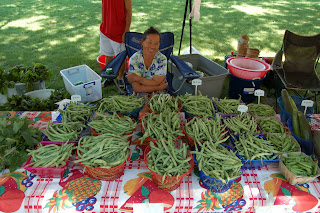
Anyone living in the Minneapolis Metro Area, (Western Wisconsin included) needs to check out their local farmer's markets.  Ya'll have these amazing farmers both local Wisconsinites and the beautiful Hmong immigrants. Hmong are immigrant farmers typically from the hills of Laos who were refugees settled in the US after fleeing from the Laotian Civil War.  The Hmong people are some of the best farmer's I have ever met. They are kind and generous with their crops and can grow vegetables & fruits in ways not many can.  Their produce is just spectacular!  So I loaded up on Fingerling Potatoes, Green Beans, Hmong Long Beans, Beets, Purple Onions, Lettuce, Jicama and Cucumbers! And all for such great prices.

I headed back to the house and began trimming my beans, scrubbing my potatoes, boiling the beans and blending my cucumbers.  I'll explain more in depth on the cucumbers as I can see you scratching your head and thinking I'm crazy :)

After trimming my green beans, I blanched them in boiling water until they turned bright green, maybe a minute or two. I pulled them out and plopped them in an ice bath to stop the cooking process. After they had cooled, I packed them in quart sized baggies for the freezer. These green beans come out of the freezer super fresh after thawing and can be eaten with hummus as if they were fresh or added to a number of recipes! I'll list a couple of my favorites below.


The beets are one of my favorites. (They never used to be!) I trim the top and bottom of each beet, tossing the beet greens as they as look pretty ragged.  I plop them in boiling water and let them cook anywhere from 15-40 minutes depending on the diameter of the beets.  I try to boil like sizes together so they all get done at the same time. A simple fork test by piercing the beets will tell if they're done. Kinda like a baked potato.  I immediately drain them and refill my pot with cold water. I let them sit for 5 minutes to cool so I can handle them. After they've cooled slightly, I begin peeling the rough skin off.  Not with a pairing knife, but with my hands alone. By boiling and then cooling the beets, the skin slips off them very easily.  After they're peeled, I cube or slice them and pack them into quart sized bags for freezing. Beets thaw VERY well and do not change in texture or taste in the least bit.

Lastly I began prepping my cucumbers. I'm not a huge fan of cucumbers, but I do love Cucumber Water. Cucumbers are a natural diuretic, meaning they help reduce water weight and help the body flush itself of excess sodium. But they don't keep in the fridge very long, so "stocking up" can be difficult, but I found an easy way.  I first peel my cucumbers completely.  Peeling them will remove any gritty or tough textures when blending.  Then into the Vitamix Blender they go! Once they're liquified I pour them into a ice cube tray and freeze them! With every glass of water I drink, I remove a cucumber puree cube from the freezer and add it to my glass! Fresh Cucumber Water!

With the last of my produce, potatoes, onions and jicama, I simply keep those on the bottom of my refrigerator in the vegetable crisper. Important note: Do not store potatoes and onions together as they encourage spoilage of one another.

Recipes:
Bacon Wrapped Green Beans
Green Beans with Red Pepper and Garlic
Steamed Green Beans with Carrot Dill Dip

Ruby Red Beets & Carrots with Dill
Roasted Beets with Balsamic Glaze
Beet Chips

Good vs Bad: A Healthy Guide to Fat

For years, both doctors and nutritionists were continually preaching that low-fat diets were the way to not only lose weight, but to save the generations from things like heart disease and high cholesterol. Fat in the 1980’s and 1990’s was the enemy. Fat free sour cream, fat free crackers and cookies, fat free ice cream…everything became fat free.

Now we are learning through the studies and research of men like Dr. David Perlmutter, MD, author of the new book, Brain Maker, that all fats are not created equal. “One of the myths I’m always trying to dispel is that fat is unhealthy. Most people think those high-fat foods are the reason their pants are fitting a little tighter.” He says in his article Exposing the Secret of Healthy Fats. He goes on to share that it’s less about the quantity of fat and more about the type.

Wait…isn’t fat…fat?

Nope! In sharing this with my clients, I immediately get some strange looks and questions… “You want me to eat more fat? Are you sure?” and I answer with a resounding “YES!” This is one of the main reasons that our American Society is overweight and by allot! According to the Center for Disease Control, one-third (34.9% or 78.6 million) of US adults are obese compared to 1970, before the fat free craze began, when only 11.7% of adults were overweight. That’s a big jump and it all started with the overly processed, fat-free fever.

Most foods contain several different kinds of fats, and some are better for your health than others. So how do you weed through years of information and get down to the source of health? Don’t worry…I’ve done it for you! Here’s a look at the different types of fat, their effects and the healthy fat choices you should be making.

Harmful Dietary Fats

Trans Fat: This type of fat rarely occurs in natural foods and if so, in very small amounts. Most trans fats are made from oils through processed foods through a method called “partial hydrogenation”. By partially hydrogenating oils, they become easier to cook with and less likely to spoil in your pantry. Studies show that an increase in trans fat increases unhealthy LDL cholesterol (bad cholesterol) and lowers HDL (good cholesterol). This unhealthy concoction can drastically increase your risk of cardiovascular disease, overall cholesterol levels and your risk for Type 2 Diabetes.

What to Look Out for: Processed Foods sold at room temperature usually contain the most saturated and trans fats due to the lack of spoilage. But be aware, these unhealthy fats are stored all over the grocery store. Try to avoid or limit things like potato chips, French fries (frozen section), snack cakes or pies (sorry Little Debbie), shortening, crackers, cake mixes and frostings, pancake and waffle mixes, chicken nuggets (frozen section), certain flavors of Haagen-Dazs ice cream, non-dairy creamers, microwave popcorn, high fat yielding meats, cookies, jerky or meat sticks, canned chili and packaged pudding. These tend to have the highest levels of trans fats.

Instead Opt for foods that are as unprocessed as possible.
Homemade baked goods using coconut oil instead of canola oil or shortening.
Air popped popcorn with a little grass-fed butter and sea salt.
Baked Veggie Chips or one of my favorite Black Bean Chips, Beanitos.
Homemade Ice Creams or Puddings.
Grass-Fed Butter in moderation instead of margarine.
Goat cheese instead of cheddar.
Part Skim Mozzarella instead of processed nacho cheese.
There are alternatives to almost everything! Check out our Recipe section for more ideas!

Saturated Fat: This type of fat comes mainly from animal sources such as red meat, poultry and full-fat dairy products. Now before you run to the fridge and freezer and start chucking your steaks and butter, let’s take a closer look. Saturated fats, when paired with a high carbohydrate diet, raises total blood cholesterol levels and LDL, which are your low-density lipoprotein levels. This can increase your risk of cardiovascular disease. The Saturated fat & high carb combo may also increase your risk of Type 2 Diabetes by increasing the fat storage in the liver and around the intestine, impairing insulin action. Now, that being said, there is a balance needed to a meat-eating diet. When looking at our healthy plate, here is the breakdown. A Healthy plate should contain one-fourth protein, another half vegetables and the remaining one-fourth grains is an important ratio when trying to control your health risks for diabetes and cardiovascular disease as well as your waste line.

Choose cuts of meat that provide a great amount of protein, flavor and have low levels of saturated fat and eat them in the right proportions. These are lean cut meats like chicken breasts, beef round roasts, sirloin steaks, salmon or halibut, turkey breast and pork tenderloin. Remember before cooking to remove any unnecessary animal fat. We all know fat means flavor, so add a couple teaspoons of a healthy fat like olive oil to meat before sautéing or grilling! Replace the bad with good!

Healthier Dietary Fats

These types of fats are mostly unsaturated and are a critical need for our bodies. As Dr. Perlmutter says, “The body needs a balance of two types of essential fats: anti-inflammatory omega-3’s and pro-inflammatory omega-6’s. This balance needs to be closer to a 1:1 or 2:1 ratio to ward of diseases like diabetes, arthritis, heart disease and cancer. But due to our American diets of a 20:1 ratio….we are simply unbalanced.

Monounsaturated Fat: We’ll call these MUFA’s. They improve blood cholesterol levels decreasing your risk for heart disease while benefiting insulin levels and blood sugar control!

Polyunsaturated Fat: Found mostly in plant-based foods and oils, we’ll call PUFA’s, also improves cholesterol and blood sugar levels!

Omega-3 Fatty Acids: These fatty acids are in direct relation to the health of your heart, so not only are they lowering cholesterol, but they are decreasing your risk of coronary artery disease. Say goodbye to early heart attacks with Omega-3’s! These fats also protect against irregular heartbeats and lower blood pressure. The best foods to increase your Omega-3 intake are fish! I’m not much of a fish lover, so I can understand the disappointment when I tell my clients to cut back on the bacon and add fish to their diet, but I have found some really yummy ways to help you enjoy fish a couple times a week. Check them out here!

Healthier Fats can be found in olive oil, safflower oil, salmon, tuna, trout, mackerel, sardines and herring. Also flaxseeds, flax oil, coconut oil, avocados, nuts and other seeds like sunflowers and walnuts are super healthy for your heart!

Healthy Fat Recipes
Smoked Salmon Spread on Gluten Free Crackers
No Mayo Deviled Eggs
Goat Cheese Arugula Pizza
Dairy Free Pumpkin Latte
Homemade Almond Milk
Skinny Breakfast Tacos
Pecan Crusted Chicken Breasts
Veggie Beef Lasagna
Salmon Parmesan Fish Sticks
Mexican Salmon Burgers
Gluten Free Black Bean Burgers


Homemade Vegetable Stock

Homemade Vegetable Stock

2 carrots, sliced
2 leeks
1 onion, sliced
2 celery stalks, chopped
1 handful of parsley
1 handful of broccoli stems
2 bay leaves

Put all ingredients in a large saucepan and cover with boiling water.  Bring to a boil, then reduce the heat and simmer 45 minutes or until tender.

Strain the stock & discard the vegetables. Cool, cover and refrigerate for all your favorite recipes!


Roasted Peppers

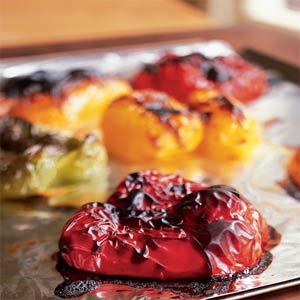
Once roasted, bell peppers become very sweet and add a full flavor to many dishes.  I add them to salads, wraps and cooked grains.  You can use a variety of red, yellow, green or orange. I think the red, yellow and orange become the sweetest.


Roasted Peppers

4 bell peppers (can be red, orange or yellow)
olive oil spray

Preheat the broiler to high.  Mist a baking sheet with olive oil spray.

Halve & seed the bell peppers and place cut side down on your baking sheet.  Broil for 15 minutes or until skins blacken.

Transfer peppers to a bowl and cover with plastic wrap and cool.  This will allow the blackened skin to separate from the flesh of the pepper.

Once cool, peel off and discard skins.  You may freeze them individually or all together in a Ziploc for up to 6 months.  They can be refrigerated for 4-5 days.


4 Surprisingly Tasty Slimming Foods


4 Surprisingly Tasty Slimming Foods

Are there really magical foods that help you lose weight and taste good, too?

At Renew Health Coaching, there are a few simple principles that can help just about everyone to get healthier, including shedding excess pounds. Generally, what works for most people is to eat less packaged or processed foods, more whole foods, drink more water, get adequate sleep each night, and make sure that you’re getting a healthy dose of primary food.

Some dietary theories promote certain foods and herbs that have slimming properties, among their many other healthy benefits. Here are a few that can help support your body when you want to shed excess weight and burn fat (and they actually taste good, too):

Cacao
This small tropical tree’s seeds turn into the food that's been called "Food of the Gods" – chocolate. Cacao contains theobromine, a mild stimulant that can help promote fat burning. It also increases pleasure and relaxation by boosting your endorphin and serotonin levels, the feel-good brain chemicals, which can also stimulate weight loss. Cacao is healthiest when consumed in its raw form (not as sugary chocolate bars), and is revered by raw food enthusiasts.

Cinnamon
This healthy spice is from the brown bark of the cinnamon tree. A daily dose of cinnamon has been found to reduce blood sugar, triglycerides, and LDL (bad) cholesterol, and total cholesterol for people with type 2 diabetes. It is known for its warming and stimulating properties that can bring balance to Vata and Kapha, according to Ayurvedic medicine.

Green Tea
From the Camellia sinensis plant, this brewed beverage contains theanine, which counteracts stress and promotes relaxation and focus. A study in the Journal of Nutrition shows that the main antioxidant component in green tea, called catechins, can help stimulate weight loss, especially belly fat.

Daikon Radish
This long white root is used in traditional Japanese and Macrobiotic cooking to help heal the body and ease the discharge of excess fat and fluids. Daikon is also a decongestant, diuretic, and helps ease the work of the kidneys by eliminating excess fluid retention.

What foods do you eat when you want to balance your body and slim down? Let us know in the comments section below.

What's the difference: Cacao vs Cocoa

Is it just a discrepancy in spelling or are these two different products?

What is the difference between "cacao" and "cocoa?"
Cacao is the bean that comes from the cacao tree, which is known by the scientific name of Theobroma Cacao.  Cacao pods - large footballed sized fruits - grow off the trunk and limbs of the cacao tree and the beans are found inside the pods. Cacao powder is the raw ground powder of dried cacao beans.  It can be found most health food stores and from online organic retailers.  Cacao powder is not fermented, roasted or processed, but rather in raw form unlike Cocoa Powder.

After the Cacao beans or fermented, roasted and ground, the product is then referred to as "cocoa." In other words, "cocoa" is what the bean is called after it has been processed.

Is Cacao really that much better than Cocoa if it's the same bean?
Unlike processed dark chocolate, antioxidants are preserved in raw cacao. Benefits from keeping organic chocolate unheated include; much higher levels of the famous chocolate antioxidants (oligomeric procynanidins, resveratrol and the polyphenols: catechin and epicatechin) as well as the preservation of vitamin C, phenethylamine (PEA, the feel good neurotransmitter responsible for the feeling of love!), Omega 6 fatty acids (which when heated become rancid and cause inflammation), tryptophan (a commonly deficient amino acid in those who consume a diet of mostly cooked food) and serotonin. So, not only is it packed with "good for you" stuff, but it tastes great and is an excellent craving reducer!


Simple Brown Rice

Brown Rice is extremely versatile.  Our family makes a large pot of brown rice and a large pot of quinoa each week and use it in combination with our meals, soups, tacos, hotdishes, deserts and many other ways.  It's a great substitute for potatoes in hotdishes or as a side with mixed veggies.  It can also be easily combined into a Mexican dish such as spanish rice & beans.  If you are trying brown rice for the first time, I suggest using the long grain brown rice.  I find that long grain brown rice is much softer and is more similar to the conventional white rice.

Simple Brown Rice

2c water
1/2 tsp sea salt
1c brown rice

In a saucepan or pot, bring the water and sea salt to a boil.  Add the brown rice to the pot, bring back to a boil, then reduce the heat to a simmer.  Cover the pot and set a timer for 50 minutes.  Do not uncover until  your timer goes off.

Most people think making rice (not instant rice) takes forever, but as long as you have a timer on and the kiddos out of the kitchen, the 50 minutes for cooking the rice is not lost time.  Think of all the things you can do in 50 minutes :)  Just make sure you can hear the timer!

Simple Cooked Quinoa

Quinoa is a favorite in our house.  It is a grain very rich in amino acids (protein) that has a fluffy, creamy and slightly nutty flavor when cooked.  Quinoa can be used in place of rice or potatoes in most hotdishes and also as a great side with almost any kind of meat or fish.

Although not a common item in most kitchens today, quinoa is an amino acid-rich (protein) seed that has a fluffy, creamy, slightly crunchy texture and a somewhat nutty flavor when cooked.

Simple Cooked Quinoa

1c beef broth
1c water
1 tsp olive oil
2 tsp tuscan sun seasoning
1/4 tsp garlic powder
1/4 tsp parsley
1c quinoa

In a saucepan or pot on medium-high heat, bring to boil the beef broth, water, olive oil and spices.  Once boiling, add the quinoa.  Cover and reduce heat to simmer.  Set your time for 25 minutes. Quinoa should be soft and plump.

A Vegetable Guide - Try Something New!

Whole Foods is such a fantastic store, especially if like most cities it's the only access you have to organic and whole food choices.  Not only are their stores & staff amazing, but their website is full of great recipes, helpful hints and their Vegetable Guide!

If you ever wander the produce aisles wondering exactly what some of the vegetables are and even shying away from trying new things because you're just not sure how to prepare them, then this is a great guide for you!  With over 30 different vegetables, Whole Foods explains how to select, store, use and even provides a list of what kinds of nutrients you can find in these great veggies!  Before your next trip to the grocery store, take a look at this guide and try one new veggie you've never had before or never prepared for your family!


8 Superfoods you should be eating!

1. Avocados: Smooth, creamy avocados have gotten a bad rap for their fat content.  But in fact, the fat they have is heart-healthy monounsaturated fat, which can help lower cholesterol.  Avocados are perfect atop salads like in our Creamy Cilantro & Avocado Dressing or on burgers instead of mayo!

2. Nuts: Few foods deliver the nutritional wallop of nuts.  Eating just a handful of walnuts can help lower cholesterol, boost brain power and fight stress, heart disease and cancer!  Sprinkle an ounce on your morning cereal.  Or start making some healthy nut butters for crackers, toast or even in oatmeal!  Check out this Nut Butter Primer on Cooking Light!

3. Oats: This humber grain helps lower cholesterol and is loaded with fiber to help you feel full.  Try our Peanut Butter Raisin Oatmeal Recipe for a heart healthy & delicious breakfast!

4. Tomatoes: Lycopene, a powerhouse nutrient in this red fruit, helps protect you against heart disease and some cancers.  Try our Caesar BLT Pasta Salad or our Low Calorie, Low Sodium Spaghetti Sauce!

5. Beans: Beans are nutrition dynamos, low in fat and a great sources of protein, fiber and folic acid (essential for expecting moms). Try adding some to your salad or try our Borracho Beans & Chicken or our Texas Caviar!

6. Olive Oil: You should know by now that most of my recipes contain olive oil, either by the the teaspoon full or by an olive oil spritzer.  The staple of a Mediterranean diet, olive oil has been linked to heart health and longevity.  This oil is also free of saturated fats!

7. Salmon: Sock it to heart disease, arthritis and depression with sockeye salmon!  It's all about the omega-3s, which protect the heart and joints and also can boost mood, fight depression and may protect against Alzheimer's disease!  Try our Salmon Fish Sticks!

8. Blueberries: Load up your shopping cart with berries, fresh or frozen.  The richer the color, the more antioxidants they have.  Blueberries are a great choice for breakfast or a quick snack! Try our Best Blueberry Muffin Recipe for breakfast, our Turkey & Blueberry Snack Recipe or our Blueberry Maple Syrup for a delicious addition to morning Rye Waffles!  Each of these recipes are packed with antioxidants, vitamin c and potassium.

Fresh Produce Savings at Kroger - NEXT 7 DAYS!

Eating healthy can become expensive.  That's why it's so important to take advantage of produce sales! For the next 7 days Kroger is having a Produce Savings Event! Many of their fruits and vegetables are $1/lb. Now I know you are thinking, great - but I can't eat 10lbs of bell peppers in a week. True, but there are ways of preserving foods to use at a later date that can uphold the true nutritional content of the food.  I don't encourage canning.  Canning your foods can have a loss of 20-30% of your foods nutritional value.  Too high in my opinion.  Something that I love is freezing.  We have two large chest freezers and a freezer in our kitchen.  I have a list prepared of what is in each freezer and check off the items when I take them out for use.

Freezing is a great way to preserve many of your whole foods. The extreme cold simply retards growth of microorganisms and slows down changes that affect quality or cause you foods to spoil. Not all containers are suitable for freezing.  I use plastic Ziploc bags made specifically for freezing.  You can also use glass canning jars, but I'm too clumsy for that!  If you decide to use the jars, remember wide-mouthes jars are easier to remove your foods than regular-mouth jars.

Blanching (scalding vegetables in boiling water or steam for a short period of time) is a must for almost all vegetables to be frozen. Blanching slows or stops the action of enzymes that can cause loss of flavor, color and texture. Blanching cleanses the surface of dirt and bacteria, brightens the color and helps retard loss of vitamins. Blanching also wilts or softens vegetables and makes them easier to pack.

Blanching time is really important and can vary with each type of vegetable.  Blanching is NOT necessary for fruits.  Overblanching vegetables causes loss of flavor, color, vitamins and minerals. I've included a list of vegetables below, how to prepare them for freezing & their blanching times.

I hate when my vegetables or fruit are frozen in one hard block.  So "tray packing" for veggies & fruit is my favorite method.  Tray Packing starts by placing chilled, well-drained vegetables in a single layer on baking sheets. Then place in freezer until firm, remove and quickly fill bags or containers. Close and freeze immediately. Tray-packed foods do not freeze in a block, but remain loose, so the amount needed can be poured from the container and the package reclosed. (Just like at the supermarket)

How long can I keep these in the Freezer?  Most vegetables maintain high quality for 8 to 12 months at 0°F or lower. Longer storage will not make food unfit for use, but may impair quality.  Frozen vegetables should be cooked without thawing.  Like I said before, I post a list of the frozen vegetables, fruits, meats, meals & breads near the freezer and check off packages as they are used. 

FROZEN VEGETABLE GUIDE                   FROZEN FRUIT GUIDE


It's not that labor intensive & you can SAVE big this week on your produce by running over to Kroger and stocking up your freezers! :)

Whole Foods location coming to Katy, TX - Find out when & where!

**UPDATE: Whole Foods will be opening, January 30th in Katy!!  They will be holding a bread-breaking event at 7:30am.  The new store will be located at 6601 South Fry Road.

Whole Foods recently released their fourth quarter financials & also let the cat out of the bag that they'll be opening 9 more Whole Foods Markets from Colorado to London, England.  Squeezed in the middle was Katy, TX!!  Plans and leasing space has now been approved for a location at the crossroads of Fry Rd & Grandparkway across from HEB!  The financials report the store will be opening in 2013 and per the company, they plan to impress!  All of you lucky Katy-ites get ready for some wholesome organic foods! Now that we live in Magnolia...I'm a little jealous!!


The Complete Guide to Fats & Oils by Lisa at Real Food Digest


This is an amazing article by Lisa at Real Food Digest
Please visit their website for other amazing articles & blog posts!

 - - - - - - - - - - - - - - - - - - - - - - - - - - - - - - - - - - - - - - - - - - - - - - - - - - - - - - - - - - - - - - - - - - - - - - - -
The Complete Guide to Fats and Oils – 
What to Cook With (or not), 
What to Avoid and Why

Grass-fed Butter, Coconut oil, Extra Virgin Olive Oil, and Ghee
Choosing the right fats and oils in your food preparation has a dramatic impact on your health. There is much information and misinformation on what constitutes healthy fats. This chart simplifies the best choices of fats for cooking, fats that should not be heated, and which to avoid altogether
It took our health community decades to recognize the dangers of trans fats in margarine and other butter replacements. And only recently are the anti-inflammatory and immune enhancing benefits of coconut oil, a saturated fat, being publicized. How long do we need to wait until  “heart-healthy” vegetable oils are recognized for its inflammatory effects and as a major contributor to modern disease?
Do what healthy traditional societies free of disease have done for generations, eat fats from foods that nature provides, including the highly stable animal and tropical fats and avoid industrial, factory – made processed fats and oils.
Real Food Digest Guide to Fats and Oils - Best for Cooking, Best for Unheated Uses, and What to Avoid

Fats and Oils 101

All fats and oils are made up of a combination of three main kinds of fatty acids; saturated, monounsaturated, and polyunsaturated linoleic (LA) or linolenic acid. These refer to the kind of structure these fatty acids have between their carbon and hydrogen atoms.

Saturated Fatty Acids

The carbon chain in a saturated fatty acid are filled, or saturated, with hydrogen atoms.
This saturation creates a compact and highly stable structure that resist oxidation, even under high temperatures.
Saturated fatty acids are found in animal fats and tropical oils.

Monounsaturated Fatty Acids

The carbon chain is missing two hydrogen atoms and has one (mono) double bond instead between two of its carbons – so it is not saturated (unsaturated) by hydrogen atoms.
Monounsaturated fatty acids are not densely packed and bends at the double bond – why these fats are liquid at room temperature and cannot be exposed to high heat like saturated fatty acids.
They are found in olive oil, avocados, and nuts.

Polyunsaturated Fatty Acids (PUFAs)

The carbon chain is missing several hydrogen atoms and contain two or more (poly) double bonds.
PUFAs are highly unstable and sensitive to heat and light that can cause free radicals which harm your body.
They are found in corn, canola, soy, sunflower, safflower, rice bran, and grapeseed oils.

Vegetable Oils and the Omega ratio

“Back in the MI (myocardial infarction) free days before 1920, the fats were butter and lard and I think that we would all benefit from the kind of diet that we had at a time when no one had ever heard the word corn oil.”
- Dr. Dudley White speaking at an American Heart Association fund raiser in 1956.
Vegetable oils may sound healthy but they are highly processed foods that require industrial processes to extract its oils. Part of the process involves using toxic chemicals like hexane and bleaching agents to help extract and deodorize these oils. Even organic expeller-pressed vegetable oils undergo tremendous processing and are exposed to heat and therefore oxidize easily resulting in a toxic food.
A crucial factor for good health is the proper ratio of omega 3 to omega 6 fatty acids in the diet. (Omega 3 fatty acids are triple unsaturated (3 double bonds) linolenic acid and omega – 6 is a double (2 double bonds) unsaturated linoleic acid). The exponential rise of vegetable oil consumption in our diets (found in all processed foods) and grain feeding of cattle and poultryhas altered the ideal healthy omega 3 to omega 6 ratio.
The high omega – 6,  polyunsaturated vegetable oils like corn, canola, soy, sunflower, safflower, rice bran, and grapeseed oilsincrease inflammation in the body and are associated with;
  • cardiaovascular disease
  • diabetes
  • obesity
  • IBS
  • asthma
  • cancer
  • auto-immunity diseases
  • high blood pressure
  • infertility
  • weight gain
  • blood clots
These polyunsaturated vegetable oils – especially when heated – damage your cells, metabolic function, gene expression, and hormone functions. (Borage, evening primrose, and hemp oil are exceptions, though they are PUFAs they function as anti-inflammatories: are GLA Gamma-linolenic acid). This is why the addition of fish oils and cod liver oil supplements (omega – 3) are so popular in the natural health care industry.
Vegetable oils, if not organic, are likely derived from Genetically Modified Organisms (GMO’s), another important reason to avoid them. Read more about the health dangers of GMO’s and how to avoid them.
Note: It is possible to go the other extreme as well and become deficient in omega – 6 fats, though very uncommon. Read more about Omega – 6 Deficiency at the Agriculture Society website.

What about Saturated Fats?

“The greatest scientific deception of this century, perhaps any century.” 
- Geroge Mann, American scientist, criticizing the diet-heart hypothesis; the idea that high cholesterol foods cause heart disease.
The diet-heart hypothesis or lipid hypothesis first proposed by Ancel Keys surprisingly has little evidence to support it.  Heart disease was rare in the early 1900′s when our diets were much higher in animal fats. The elevated triglycerides in the blood linked to heart disease do not come from dietary fats, but are produced in the liver from excess sugars from carbohydrates like refined sugars and white flour and from fructose. What is contributing to heart disease is the excess consumption of vegetable oils, hydrogenated fats, and refined sugars in our modern diet.

Essential Roles of Saturated Fatty Acids

  • enhance the immune system (needed by the white blood cells)
  • needed for strong bones (helps absorb calcium)
  • provide energy and structural integrity to the cells
  • protect the liver from alcohol and other toxins
  • healthy lungs (saturated fatty acids create the surfactant that and protect coat the lungs airspaces)
  • building blocks for hormones
  • assist in mineral absorption and
  • cardiovascular health
  • building blocks of a healthy brain and nervous system

Thank you again to Lisa at Real Food Digest for this great blog post!!
Related Posts Plugin for WordPress, Blogger...